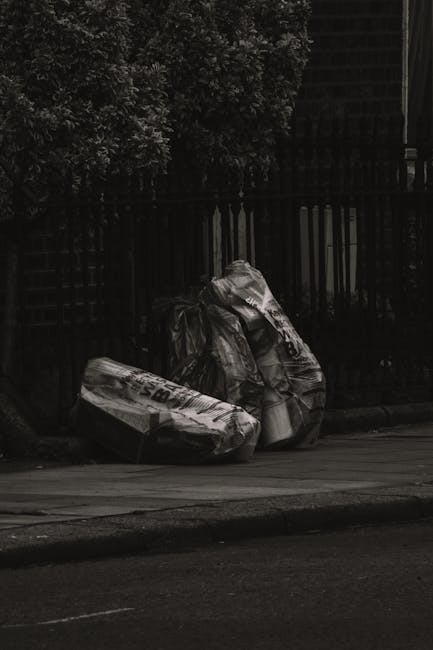
Walthamstow rubbish removal at Walthamstow Central station: a practical guide for fast, safe and local waste clearance
If you need Walthamstow rubbish removal at Walthamstow Central station, chances are you want the job done quickly, neatly and without a lot of back-and-forth. Maybe you are clearing a flat near the station, dealing with a bulky item that will not fit on the Tube, or sorting out waste from a shop, office or refurbishment nearby. In that kind of setting, convenience matters. So does being careful: tight pavements, busy roads, awkward access, and the usual London time pressure can turn a simple clearance into a headache if it is not planned well.
This guide breaks down how rubbish removal works around Walthamstow Central, what to expect, who it suits, and how to avoid the common mistakes people make when they are in a rush. You will also find practical advice on compliance, costs, and the safest way to choose between collection methods. Truth be told, a smooth clearance usually comes down to preparation, not luck.
Why Walthamstow rubbish removal at Walthamstow Central station Matters
Walthamstow Central is one of those places where footfall, traffic, homes and businesses all overlap. That makes rubbish removal a little more delicate than a standard collection on a quiet residential street. If you are moving items through a busy station area, the big issue is usually not the rubbish itself. It is the logistics around it.
In practical terms, the station location creates a few everyday challenges:
- Limited parking or stopping space for loading vehicles
- Busy pedestrian flows at certain times of day
- Shared access routes around flats, shops and offices
- A mix of household, commercial and refurbishment waste
- Pressure to clear items fast without leaving mess behind
That is why people search for a local, responsive rubbish removal service rather than trying to piece things together themselves. A small pile of waste can quickly become an eyesore if it sits by the kerb, and near a station it is even more noticeable. Nobody wants to drag a broken sofa across the street while commuters are trying to squeeze past with coffee cups and backpacks. Not exactly ideal.
There is also a trust factor. In busy parts of London, you want to know waste is handled properly, not dumped somewhere unofficially. A reputable clearance service should be able to explain how waste is collected, sorted and transferred, and should be transparent about what happens next. If you want to understand the broader service context first, our main waste removal service page gives a useful overview of the type of clearance support available.
How Walthamstow rubbish removal at Walthamstow Central station Works
At a high level, the process is simple: you identify what needs removing, arrange a collection time, have the waste ready, and let the team load and remove it. The details matter, though, especially around a station where timing and access can affect the whole job.
A typical rubbish removal visit often follows this pattern:
- Initial assessment - You describe the waste type, volume and access conditions. Photos help a lot, especially for awkward items or mixed waste.
- Timing and route planning - The collection is organised around access, parking and the best time to avoid congestion.
- Loading - The team removes the waste carefully, usually with attention to walls, lifts, stairwells and common areas.
- Sorting - Reusable, recyclable and general waste are separated where appropriate.
- Responsible disposal - Waste is taken for lawful processing rather than being left in an alley or skipped in a hurry.
For many jobs, especially where the waste is from a home or mixed clear-out, it makes sense to think in terms of the whole property rather than a single item. A flat clearance can be very useful if you are dealing with a move-out, end-of-tenancy clean-up or a declutter that has got out of hand. You can see how that works on our flat clearance page.
In busier properties, the job may involve specific item categories too. For example, a room full of old chairs and tables is different from a few bags of general rubbish. Likewise, a business near the station may need a different approach from a home on a side street. That is why the best result usually comes from matching the method to the waste, not the other way round.
Key Benefits and Practical Advantages
The biggest benefit of professional rubbish removal near Walthamstow Central is time saved, but that is only part of the story. Good waste clearance also reduces stress, improves safety and helps keep the surrounding area tidy. In a place with this much movement, tidiness is not a small thing.
- Speed: A single collection can clear what might otherwise take you several trips.
- Convenience: No need to rent a vehicle, queue at a site or manage loading on your own.
- Safer handling: Heavy, sharp or awkward items are less likely to cause injury or damage when moved properly.
- Better presentation: Useful for landlords, shops, offices and anyone preparing a space for viewings or reopening.
- Compliance reassurance: Professional removal helps reduce the risk of improper disposal.
There is also a mental benefit, and people do not talk about it enough. Once the waste is gone, the whole room feels lighter. A hallway that was blocked by bags and broken bits suddenly looks usable again. It sounds obvious, but you really notice it once the clutter is out of the way.
If your clearance includes furniture, you may want a specialist approach rather than a general rubbish pickup. That is especially true for larger items, awkward staircases or pieces that need dismantling before removal. Our furniture clearance and furniture disposal pages are useful if your job includes sofas, wardrobes, tables or mixed household furniture.
Expert summary: The best rubbish removal near Walthamstow Central is the kind that solves the access problem before it becomes one. If the route, waste type and timing are thought through properly, the rest is usually straightforward.
Who This Is For and When It Makes Sense
This kind of service is not just for major clear-outs. It can make sense in lots of everyday situations, some of them pretty ordinary. In our experience, people usually need rubbish removal near the station for one of these reasons:
- They are moving in or out of a flat close to the station
- They have had a tenancy end and need a fast turnaround
- They are refurbishing a shop, studio or office
- They have inherited items that need clearing with care
- They are dealing with garden waste, garage clutter or loft overflow
- They simply do not have the time, transport or energy to handle it themselves
It also makes sense when the waste is mixed. For example, a spare room might contain old bedding, a broken chest of drawers, a few black bags and a small appliance. That is not a "wait and see" situation. It is a practical clearance job.
Homeowners and landlords often use waste removal after a tenancy, while businesses may need support after a fit-out or a reset between tenants. If you run a local office, our office clearance and business waste removal pages are relevant starting points. For construction or renovation debris, a dedicated builders waste clearance service is usually a better fit.
Sometimes the decision is just about peace of mind. Let's face it, nobody gets excited about figuring out where to put a rusted freezer or a damp carpet. You want it gone, safely and without hassle. Fair enough.
Step-by-Step Guidance
If you are organising Walthamstow rubbish removal at Walthamstow Central station, a little structure goes a long way. Here is a simple process that keeps things under control.
1. List everything that needs to go
Walk through the property and make a plain list. Not just "rubbish" - be specific. Separate bulky items, bags, mixed waste, appliances and anything potentially hazardous. If you are unsure about something, keep it out of the first list and ask about it separately.
2. Take photos from different angles
Photos help with pricing and planning, especially where stairs, narrow hallways or shared entrances are involved. A doorway can look generous in one image and awkward in another. Both matter.
3. Check access details
Near a station, access can change quickly. Think about parking restrictions, lift availability, loading points, entry codes, concierge arrangements and any time window when the area is less busy. One missed detail can slow the whole job down.
4. Separate what can be reused or recycled
Doing this before collection saves time. It also helps the team handle the waste more efficiently. For example, mattresses and sofas need careful routing, and fridges or appliances may need separate handling. If you have one of those, the mattress and sofa disposal and fridge and appliance removal pages can help set expectations.
5. Confirm timing
Morning can be better for some station-area jobs because the day is still calmer. In other cases, an off-peak slot makes more sense. The point is to choose a time that makes loading easier and keeps disruption low.
6. Keep walkways clear
On the day, make sure paths are safe and open. A small thing, but it saves a lot of faffing about. You do not want someone manoeuvring a wardrobe around a shoe pile while the door keeps swinging shut.
7. Ask what happens after collection
Responsible clearance means sorting and routing waste properly. If sustainability matters to you, it should matter to the provider too. Our recycling and sustainability page explains the kind of approach that should sit behind a modern waste service.
Expert Tips for Better Results
A few small choices can make the whole job smoother. These are the things people often overlook until the day arrives.
- Bundle like with like. Put similar items together so loading is faster and more predictable.
- Label anything sensitive. If you have confidential papers, keep them separate for proper handling. Confidential shredding is worth considering for office and admin clear-outs.
- Protect shared areas. If waste has to pass through hallways or lifts, use basic floor protection where needed.
- Disassemble what you safely can. A dismantled bed frame is often far easier to remove than a full one.
- Be honest about access. If the entrance is awkward, say so early. It is never a problem when people are upfront.
One tip that saves stress every time: keep one small clear zone for essentials. Kettle, charger, keys, paperwork. That little patch of calm matters more than you might think when the rest of the place is mid-clearance.
If your project is a bit broader than a simple rubbish pick-up, consider whether a whole-property service would be simpler. A home clearance or house clearance can be more efficient when multiple rooms are involved. For older storage spaces, a loft clearance or garage clearance may be the smarter choice.
Common Mistakes to Avoid
Most clearance problems are avoidable. They usually come from rushing, guessing or assuming the waste will be easier to move than it really is.
- Underestimating volume. A few "small" piles can turn into far more than expected once grouped together.
- Mixing restricted items with general waste. Some items need separate handling, so do not hide them in a larger load.
- Ignoring access restrictions. Station areas can be trickier than they look on a map.
- Leaving everything until the last minute. This creates unnecessary pressure and sometimes leads to poor disposal decisions.
- Choosing only on price. Cheaper is not always better if the service is slow, vague or unsafe.
Another common issue is forgetting the practical order of things. If a room still contains things you want to keep, move them first. Sounds obvious, but people do forget. Especially when they are tired and staring at a pile that has already outgrown the corner it started in.
And yes, trying to move a broken wardrobe down stairs by yourself at 8:15 on a weekday near Walthamstow Central is the sort of plan that sounds simple until it is not.
Tools, Resources and Recommendations
You do not need fancy equipment to prepare for rubbish removal, but a few basics help a lot.
| Item | Why it helps | When to use it |
|---|---|---|
| Strong bin bags | Keeps loose waste contained | For general rubbish and smaller items |
| Marker pen and labels | Helps separate keep, donate and remove piles | During sorting and pre-clearance |
| Gloves | Improves handling safety | For sharp, dusty or dirty waste |
| Furniture blankets | Reduces scuffs in shared spaces | When moving bulky items |
| Camera phone | Useful for documenting waste and access | Before booking and on collection day |
For larger jobs, it can help to think in categories rather than items. Furniture, household rubbish, appliances, green waste, builders rubble, confidential material. Once you group the load properly, decisions become much easier.
If you are deciding whether a skip is suitable, it is worth understanding what can and cannot go in one. That is where what can go in a skip becomes a useful reference, even if you end up choosing collection instead. It helps you compare methods without making assumptions.
Law, Compliance, Standards, or Best Practice
Waste disposal in the UK is not something to treat casually. You do not need to be a legal expert to arrange a clearance, but you should expect proper handling, sensible documentation where needed, and clear answers about where waste is going.
As a general rule, people arranging removal should avoid handing waste to anyone who cannot explain their process or who seems evasive about disposal. That is especially true for business waste, mixed waste and anything that could contain regulated or hazardous material. In many cases, the safest route is to work with a provider that follows recognised health and safety practices and can explain how it separates and transports waste.
For hazardous material, caution matters even more. That includes items that may leak, emit fumes, contain chemicals or pose a biohazard risk. If you are unsure, ask before collection rather than after. A responsible provider will not brush the issue aside. They will tell you what can be taken, what needs special handling, and what should stay separate.
Security also matters when you are clearing an office or a mixed-use space. Paper records, storage drives and documents should not just be tipped in with ordinary rubbish. If confidentiality is part of the job, it should be treated as such. No drama, just good practice.
For reassurance around business processes and service standards, it is sensible to review relevant site policies such as the health and safety policy, insurance and safety, and terms and conditions. If you care about payments and how they are handled, the payment and security page is also worth a look. These are the kinds of details that build trust before a job even starts.
Options, Methods, or Comparison Table
There is more than one way to clear rubbish near Walthamstow Central, and the right choice depends on the type of waste, access and urgency.
| Method | Best for | Pros | Limitations |
|---|---|---|---|
| Man and van style collection | Mixed household or business waste | Flexible, quick, good for awkward access | Volume may be limited by vehicle capacity |
| Skip-based clearance | Projects with ongoing waste generation | Handy for longer jobs, fixed drop-off point | Requires space and can be awkward near busy streets |
| Specialist item removal | Furniture, appliances, mattresses | Good for heavy or bulky items | Not always the best for mixed loads |
| Property clearance | Whole-room or whole-property jobs | Efficient for large clear-outs | May be more than you need for a small pile |
For example, a builder doing a compact refurb near the station may prefer a dedicated builders waste option, while a tenant clearing out at short notice may just want a straightforward pickup and done. Different jobs, different tools. Simple really.
Case Study or Real-World Example
Imagine a small flat a short walk from Walthamstow Central. The tenant has moved out, the kitchen still has an old fridge, the bedroom contains a broken bed frame, and the hallway has a few bags, a lamp, and a battered chair that nobody wants to claim. There is no parking space right outside, the stairwell is narrow, and the landlord wants the place cleared before a new letting agent visit the next day.
In that situation, the best result comes from keeping the plan tight. Photos are sent in advance. Waste is grouped by type. The fridge is flagged early. The bed frame is partly dismantled. Collection is arranged for a quieter time window so loading is less stressful. The team moves carefully through the common areas, clears the items in one visit, and the flat is left ready for cleaning.
Nothing flashy. But it works.
What makes the difference here is not just speed. It is coordination. If that same job had been handled without access planning, the stairwell might have become a bottleneck, the fridge could have needed another trip, and the whole thing would have taken longer than necessary. Near a station, that kind of friction shows up fast.
Practical Checklist
Use this checklist before booking your clearance. It keeps the job tidy and reduces surprises on the day.
- Make a full list of items to remove
- Separate bulky furniture, general rubbish, appliances and special items
- Take clear photos of the waste and access route
- Check if there are stairs, lifts, codes or parking restrictions
- Remove anything you want to keep before the team arrives
- Set aside hazardous or questionable items for review
- Ask about recycling, reuse and disposal routes
- Confirm the collection time and access window
- Keep hallways, entrances and loading points clear
- Review relevant service pages if you need a specialised removal
If you are unsure about the right service, start with the broader waste removal page, then move into a more specific option if needed. That is often the easiest way to avoid overcomplicating things.
Conclusion
Walthamstow rubbish removal at Walthamstow Central station is really about making waste disappear without creating a bigger problem on the way. The area is busy, access can be tricky, and the mix of homes, shops and offices means you need a service that is efficient but also careful. When the job is planned properly, though, it is surprisingly straightforward.
The best approach is usually simple: know what you have, check access, choose the right collection method, and make sure the waste is handled responsibly. That is the difference between a rushed tidy-up and a proper clearance. A bit of planning now saves a lot of stress later. And frankly, that is one of those life lessons that keeps proving itself.
Get a free quote today and see how much you can save.
Frequently Asked Questions
What does Walthamstow rubbish removal at Walthamstow Central station usually include?
It usually includes the collection and disposal of general rubbish, bulky household items, mixed waste, and in some cases furniture or appliance removal. The exact scope depends on the load and access.
Is rubbish removal near Walthamstow Central better than hiring a skip?
It depends on the job. If you have ongoing waste from a project and enough space, a skip may work well. If access is tight or you want fast removal of mixed items, collection is often easier.
Can I get same-day rubbish removal in the Walthamstow Central area?
Sometimes, yes. Same-day collection depends on availability, the size of the job and how easy it is to access the waste. The earlier you enquire, the better.
What kind of waste is most common in station-area clearances?
We often see mixed household rubbish, old furniture, office furniture, packed bags, renovation debris, and the odd appliance. The station setting tends to create quick turnover, so jobs vary a lot.
Do I need to sort the rubbish before collection?
Basic sorting helps, but you do not usually need to make everything perfect. Separate special items if you can, and keep hazardous or unusual materials flagged clearly.
How do I prepare for rubbish removal in a flat with narrow stairs?
Measure bulky items where possible, take photos, clear the staircase, and let the provider know about the access in advance. If items can be dismantled safely, that often helps too.
What should I do with furniture that is too big to carry easily?
Large furniture is usually easier to remove if it is partially dismantled or if a specialist furniture clearance service is used. Sofas, wardrobes and bed frames are the usual awkward ones.
Are appliances like fridges handled separately?
Often yes. Fridges and similar appliances may require a different approach from ordinary rubbish. It is always best to mention them before collection so the provider can plan properly.
How can I tell if a rubbish removal service is responsible?
Look for clear communication, sensible answers about disposal, attention to safety, and transparent policies. A responsible service should not be vague about where waste goes or how it is handled.
Is rubbish removal suitable for local businesses near the station?
Yes. Shops, offices, salons, small studios and landlords often use it for clear-outs, fit-outs and end-of-lease jobs. Business waste usually benefits from a more structured approach.
What if I have confidential papers mixed in with office rubbish?
Keep those documents separate and ask about confidential shredding rather than putting them in with general waste. It is a small step that can prevent a bigger problem.
How do pricing and quotes usually work?
Quotes are commonly based on the amount of waste, type of items, access conditions and how quickly the collection needs to happen. Clear photos and accurate descriptions tend to lead to better estimates.
Can I combine several types of clearance in one visit?
Often yes. For example, a home clearance may include furniture, loft items, garage clutter and general rubbish. Combining them can be efficient if the access and waste types are suitable.
Where can I learn more about the company and its standards?
You can review the about us page for background, along with the site's policy pages on safety, payments and sustainability. That gives a better picture of the service approach before you book.