Commercial Waste in Walthamstow
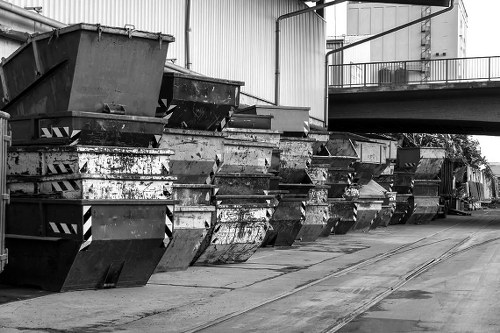
Commercial waste in Walthamstow needs a practical service that keeps workplaces, shops and shared premises clear without creating unnecessary disruption. We provide collection for a wide range of non-hazardous business waste, with an approach shaped around sensible handling, clear sorting and responsible disposal. That can include day-to-day refuse from offices, retail packaging, old fixtures, mixed bulky items and other commercial materials that need to leave the premises in an organised way.
For many businesses, the key requirement is not simply removing waste but doing it in a way that fits the working environment. Our business waste removal service is designed to support that need with collections that can be planned around access, loading points and the type of material involved. If your site also holds redundant furniture or other bulky items, the same visit may be able to cover several waste streams together, which helps keep the process straightforward.
Commercial waste also tends to build up in specific places: stockrooms, back offices, storage areas, shared corridors and delivery spaces. A sensible clearance plan starts with identifying what should be removed, what can remain in use, and whether any item needs a different route because of its material or condition. Clear separation at source makes the collection more efficient and helps ensure the right items are handled in the right way from the outset.
Handling routine business rubbish and bulky items
Routine commercial rubbish is often made up of mixed materials that accumulate through trading, refits, deliveries or staff turnover. That may include cardboard, plastic packaging, broken displays, unwanted office contents and general mixed waste. We deal with these collections as practical loading and removal jobs, aiming to clear usable working space while keeping the process tidy and predictable for the client.
Bulky items call for slightly different planning because they can affect access, lifting and the time needed on site. Desks, shelving, reception furniture and storage units may need to be moved carefully through corridors or down stairs before loading. When the scope is broader, the most useful preparation is often a simple breakdown of what is staying, what is going, and where the items are located, so the collection can be organised efficiently.
Where a business wants to check cost factors before booking, a few practical details usually matter most: the volume of waste, the type of material, access to the load area and whether anything heavy or awkward is included. If you are ready to take the next step, you can request a quotation once the waste type and collection point are clear.
Office waste clearance
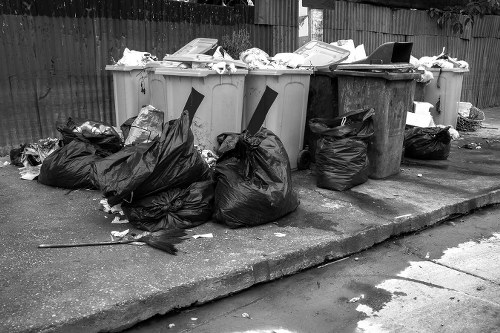
Office waste clearance often involves a mixture of paper waste, redundant storage, ageing equipment and furniture that no longer fits the workspace. A good clearance service needs to be careful around shared facilities, reception areas and occupied desks, especially where the work must be completed with minimal interruption. We can help remove unwanted office items in a way that keeps the environment workable and leaves the remaining setup easier to manage.
Typical office jobs may include desks, chairs, filing cabinets, shelving, partition materials, monitors and general room contents that are due for removal. The exact mix depends on whether the office is being refreshed, downsized or simply tidied after a period of accumulation. Our office clearance page covers that service in more detail, while the practical work itself is usually centred on sorting, lifting and loading items safely from the premises.
Useful preparation can make the collection smoother. A short inventory of what needs removing, together with any notes about stairs, narrow doorways or limited loading space, helps us plan the job accurately. If some items are to remain on site, it is worth marking those clearly before the team arrives. That simple step reduces confusion and keeps the removal focused on the agreed waste only.
Retail, storage and mixed premises clearances
Retail and mixed-use premises often produce waste that does not sit neatly in one category. There may be packaging from deliveries, damaged stock, worn fixtures, display units, back-room contents and occasional office waste from the same site. The collection needs to deal with this variety without creating extra handling problems, which is why a clear description of the material is more useful than a vague estimate of “some rubbishâ€.
Where stockrooms or storage areas have become crowded, clearance work can also involve removing obsolete shelving, old containers and other non-essential items that prevent easy access. In buildings with several functions under one roof, it is often best to agree the room-by-room scope in advance so the collection can move through the right areas in the right order. This keeps the job organised and makes it easier to separate reusable contents from waste.
For businesses that are comparing service options, the most important decision is usually whether the work needs a general clearance, a furniture-only collection or a fuller mixed-waste removal. The right choice depends on the contents, the access, and how quickly the site needs to be made usable again. If you need to discuss the volume or layout, ask for a quotation and include the basic details of the premises.
What can be removed from business premises

Commercial waste collections can cover a broad range of items, provided they are suitable for the service and handled in line with disposal rules. That may include office contents, furniture, shelving, packaging, fixtures, light mixed rubbish and some specialist material where the correct route is available. The important point is that the items should be described accurately, because that determines the handling, loading and onward disposal method.
Some materials need extra care or cannot be treated as ordinary mixed waste. Hazardous or potentially hazardous items must be identified separately, and the same is true for appliances or equipment that require special treatment. Our hazardous waste disposal page is relevant where materials need a different process, while general business waste remains focused on the routine removal of commercial rubbish and bulky non-hazardous contents.
A well-planned collection usually starts with a short list of the item groups involved. That list might mention furniture, packaging, paperwork, redundant fittings, old stock or broken equipment. It is also sensible to note anything fixed, heavy or difficult to access, because those details affect both labour and loading. The more accurate the description, the easier it is to choose the right service and arrange the right response.
Furniture and fixture disposal for workspaces
Many commercial collections involve items that are no longer needed but are still substantial enough to require careful lifting and loading. Office chairs, desks, cabinets, tables, shelving and reception furniture all fall into this category. Removing these pieces is rarely just a question of taking them away; it often means navigating corridors, lifts, stairwells or shared entrances without disturbing the rest of the premises.
Where the waste consists mainly of large items, a furniture-focused removal may be the most efficient option. The exact service chosen depends on whether the contents are mainly office pieces, mixed furniture or a combination of fixtures and rubbish. Our furniture disposal page is a useful reference when the main task is to clear substantial items from a business setting, especially where the contents are bulky but still straightforward to load.
Some clearances involve both furniture and smaller waste together, so it is helpful to think about the job in sections: large items first, then mixed contents, then any remaining loose rubbish. That approach often makes the space easier to clear in a single visit and reduces the chance of missing items. For sites with multiple rooms, it also keeps the process orderly from start to finish.
Collection planning and practical site details
Commercial waste work is usually easier when the practical arrangements are clear before collection day. Access routes, parking considerations, floor level, loading points and any restrictions on timing all influence how the job is carried out. A short description of the site layout is often enough to avoid confusion and to help the team arrive ready for the right type of removal work.
If a premises contains several waste types, a brief breakdown helps separate what should be taken on the day from what should remain in place. For example, one area may contain office furniture, another may hold packaging, and a third may have obsolete equipment. Where that happens, it can be useful to mark each area in advance. Good preparation does not need to be complicated; it simply makes the collection more direct and less disruptive.
The most useful commercial enquiries usually explain three things: the type of waste, the amount involved and any access limits. If those details are clear, the collection can be planned with fewer assumptions and less back-and-forth. When you are ready, you can request a quotation with the basic job outline and location details.
About Walthamstow
Walthamstow is a district in the London Borough of Waltham Forest, in north-east London, with a long history that predates its present urban form. Its name is recorded in early medieval sources, and the area developed from a rural settlement into a densely built London suburb during the nineteenth and twentieth centuries. The district includes several distinct parts, from the busy central shopping streets around Walthamstow High Street to residential neighbourhoods with Victorian and interwar housing. Walthamstow Village preserves an older street pattern and a number of historic buildings, giving a clearer sense of the settlement that existed before the arrival of large-scale transport links and suburban expansion. The area is also associated with Lloyd Park, a substantial public open space, and with the William Morris Gallery, housed in a Georgian building that reflects the local connection to the designer, writer and socialist campaigner. Walthamstow Wetlands, a large nature reserve and reservoir complex, lies to the west of the district and is notable for its engineered water landscape, birdlife and open views. The area is also served by Walthamstow Central station, an important transport interchange that links the district to the wider city. Together these elements make Walthamstow a place where older settlement, civic spaces, transport infrastructure and contemporary urban life sit side by side in a compact and varied urban landscape.
Recycling, sorting and responsible disposal
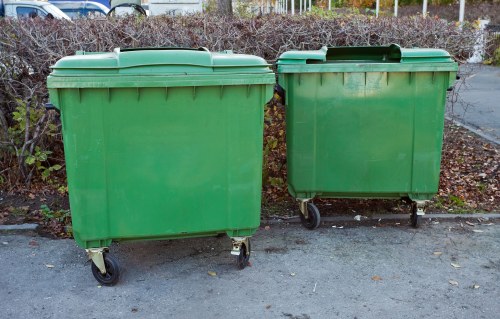
Commercial waste should not be treated as a single undifferentiated load if it can be separated more sensibly. Cardboard, metals, reusable furniture, general refuse and specialist material may all take different routes once collected. A disciplined sorting process helps keep the job compliant and ensures that recyclable items are not mixed unnecessarily with general waste. That is useful both for environmental reasons and for keeping the collection organised.
Our recycling and sustainability page explains the broader approach to handling waste in a more responsible way, while the practical collection focuses on getting the right items to the right destination. In many cases, the site itself does not need to do the sorting in detail, but it does help if the items are grouped by type so the collection can move more efficiently once it begins.
Businesses sometimes ask what makes one load easier to deal with than another. The answer is usually clarity: clear item types, clear access and clear agreement about what is to be removed. Even a mixed collection can be managed well when the contents are described honestly from the start. That keeps the service practical and avoids unnecessary delay on site.
Clearance options for different commercial settings
Different premises call for different kinds of waste removal. An office may need a careful desk-and-chair clearance, a retail unit may need mixed rubbish and display fixtures removed, and a shared building may need a combination of small-item waste and bulky furniture. The service should adapt to the setting rather than forcing every job into the same pattern, because the contents and access conditions are rarely identical from one site to the next.
For premises with storage lofts, back rooms or awkward upper spaces, a more targeted clearance can be useful. When the job includes areas such as attics, raised storage or hard-to-reach rooms, the work is often about removing accumulated contents in a controlled sequence rather than clearing the whole building at once. Our loft clearance service is relevant where a commercial property has storage above the main working area that needs attention as part of a broader removal plan.
A sensible choice is to match the service to the actual contents. That may mean combining furniture removal with general rubbish collection, or separating one difficult storage space from the rest of the job. Either way, the objective is the same: keep the property usable, remove the agreed waste and complete the collection in an orderly way.
Quotations, scheduling and straightforward next steps

When a business wants a quotation for commercial waste removal, the most helpful information is concise and factual. The type of waste, approximate volume, site access and any items requiring special handling are usually enough to begin. If there are particular timing needs, such as limited access hours or a need to avoid busy periods, that should be included as well so the collection can be planned sensibly.
We keep the process practical by focusing on what is actually present rather than overcomplicating the arrangement. For many clients, the next step is simply to gather the key details, decide which items are going, and then choose the collection route that fits the site. You can also review the pricing and quotes page if you want to understand how service details are normally considered before a request is prepared.
If you are ready to move forward, send the waste description and site notes so the job can be assessed properly. Request a quotation when you are ready, and we will help arrange a commercial waste collection that suits your premises and the material involved.