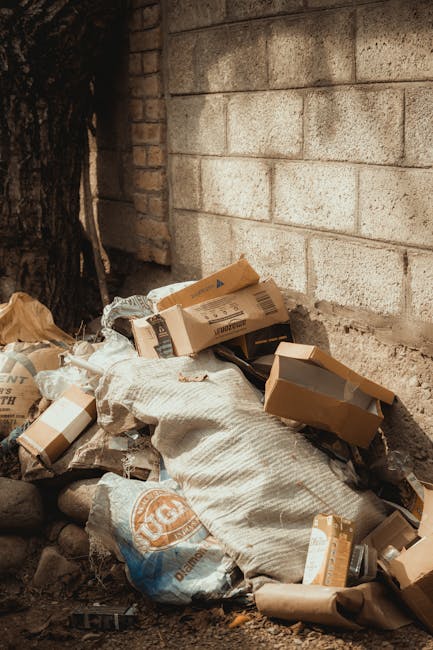
Walthamstow Village eco rubbish disposal and donation pickup: a practical local guide
If you live or work around Walthamstow Village, you already know the rhythm: narrow streets, busy weekends, tightly packed homes, and not much patience for clutter hanging around in the hallway. Walthamstow Village eco rubbish disposal and donation pickup is about handling unwanted items in a cleaner, smarter way, so less ends up as waste and more gets reused, recycled, or passed on to someone who can actually use it. That sounds simple, but in real life it can be a bit of a faff.
This guide walks through how it works, what to keep in mind, and how to make better decisions whether you are clearing out a flat, dealing with old furniture, or trying to sort a mixed pile of rubbish and reusable items without making a mess of your day.
Contents
- Why eco rubbish disposal and donation pickup matters
- How the process works
- Key benefits and practical advantages
- Who this is for and when it makes sense
- Step-by-step guidance
- Expert tips for better results
- Common mistakes to avoid
- Tools, resources and recommendations
- Law, compliance, standards and best practice
- Options and comparison table
- Case study or real-world example
- Practical checklist
- Conclusion
- Frequently asked questions
Why Walthamstow Village eco rubbish disposal and donation pickup Matters
Eco-minded rubbish disposal matters because most household clear-outs are not just rubbish. They are a mix of things: still-usable chairs, odd boxes of books, slightly battered kitchen items, old textiles, and the sort of broken bits that definitely have no second life left. If everything gets bundled into one pile and rushed away, the reusable stuff usually loses out.
In a place like Walthamstow Village, that matters even more. Local streets often have limited space for storage, loading, or waiting around with bulky waste. A more careful approach cuts down on unnecessary trips, keeps pavements clearer, and makes sorting easier at the source. That is better for the environment, yes, but it is also easier on you. Less stress. Less guesswork. Less "where do I even put this?"
Donation pickup is the other half of the picture. Many items that feel inconvenient to you may still be useful to a charity, reuse network, or someone in need. A dining table with a few scratches, a working desk chair, or a solid bookshelf can often avoid disposal altogether. Truth be told, some things only look like waste because they are standing in your spare room at 8:15 on a damp Tuesday morning.
Practical takeaway: if an item can be safely reused, repaired, or donated, it is usually worth separating it before you book disposal. That one step can change the whole outcome.
How Walthamstow Village eco rubbish disposal and donation pickup Works
The process is usually straightforward, but the details matter. A good eco disposal and donation pickup service will typically begin by identifying what can be reused, what can be recycled, and what must be disposed of responsibly. That sorting stage is where a lot of value is created.
Here is the general flow you should expect:
- Initial review - You identify the items, estimate volume, and flag anything fragile, heavy, hazardous, or especially valuable for reuse.
- Separation - Reusable items are kept apart from mixed rubbish where possible. This makes donation pickup more efficient and reduces contamination.
- Collection planning - Access is checked carefully. In Walthamstow Village, think stairs, tight hallways, shared entrances, parking, and timed loading. Those details can matter a lot.
- Removal and handling - Items are moved out with care so they are not damaged on the way. A scratched wardrobe is one thing; a smashed wardrobe is another.
- Sorting for next use - Usable items may be set aside for donation, while recyclable materials are separated where possible.
- Responsible disposal - Anything that cannot be reused or recycled is handled as waste through the correct route.
Some jobs are tiny, some are surprisingly layered. A loft clear-out might have books, clothes, electrical bits, and old boxes from two house moves ago. A furniture pickup could include a sofa that is not donation-worthy, but a table and bedside cabinet that absolutely are. The best results come from looking at each item honestly. No drama, just judgement.
If you are weighing up larger clearances, it can help to compare related services like furniture clearance, home clearance, or house clearance, depending on what you are actually dealing with. A mixed load often needs a mixed solution.
Key Benefits and Practical Advantages
The main benefit is obvious: less waste goes to landfill or general disposal than it otherwise might. But the practical advantages are what people feel day to day.
- Less clutter, faster - You clear space without having to organise every item into a separate charity run, tip trip, and recycling drop-off.
- Better use of usable items - Donation pickup keeps decent furniture and household goods in circulation for longer.
- Cleaner clear-outs - Sorting items properly makes the whole job feel less chaotic.
- More sensible disposal choices - Mixed waste can be handled more carefully rather than treated as one big bin bag pile.
- Good fit for busy households - If you work long hours or have family commitments, an organised pickup is much easier than doing it yourself bit by bit.
There is also a quieter benefit. A well-managed clear-out tends to feel emotionally easier. People often hesitate because letting go is not just physical work. It can mean dealing with memories, unfinished jobs, or that one room everybody avoids. Once the usable things are separated, the process feels lighter. Not easy, exactly, but lighter.
For readers who care about sustainability in broader terms, it is worth exploring the site's approach to recycling and sustainability and, where relevant, the practical boundaries of waste removal. That helps you choose the right path before you start lifting anything heavy.
Who This Is For and When It Makes Sense
This kind of service suits a wide range of people. If your first thought is "that sounds useful, but probably not for me," it may actually be more relevant than you think.
- Homeowners doing a seasonal clear-out - Especially when the spare room, shed, or loft has become a storage museum.
- Flat dwellers with limited lift or stair access - Carrying bulky items down several floors gets old very quickly.
- People moving house - Moving with fewer unnecessary items can save time and reduce moving costs.
- Families sorting inherited belongings - This is often part practical and part emotional, which is never a simple combination.
- Landlords and letting agents - End-of-tenancy items often include a mix of salvageable and unsalvageable goods.
- Small businesses - Offices, studios, and shops sometimes need a clean, low-disruption clearance for old furniture or stock.
If you are clearing a work premises or mixed commercial load, the service categories on the site may also help you narrow things down, such as office clearance or business waste removal. And if you are not sure where your items fit, that is normal. A lot of people are not sure until they see the pile in daylight.
It makes sense whenever you have too much to sort alone, too little time, or a strong preference for reuse over waste. Which, to be fair, should be more of us.
Step-by-Step Guidance
Here is a practical way to prepare for eco rubbish disposal and donation pickup without overcomplicating things.
- Walk through the space first
Start with one room, one cupboard, or one corner. Do not try to mentally solve the entire house in five minutes. You will only get foggy. - Sort into four groups
Use simple categories: donate, recycle, dispose, and unsure. The "unsure" pile is useful because it stops you from making rushed decisions. - Check donation condition honestly
Ask whether an item is clean, functional, and presentable enough for a new home. If it smells strongly of damp, has severe damage, or feels unsafe, it probably does not belong in the donation pile. - Separate electricals and specialist items
Fridges, freezers, and other appliances need special handling. The same goes for items that could be hazardous or awkward to move. - Measure access
Hallways, stairwells, parking, and door widths matter more than people expect. A bulky wardrobe is one thing on paper and another in a narrow terrace stairwell. - Ask about recycling and reuse routes
Not everything that is not donated should be treated as ordinary rubbish. Materials such as metal, wood, cardboard, and some plastics may be separated where appropriate. - Book the right service
Match the job to the item type. Furniture, mattresses, appliances, garden waste, and builder's debris are not all the same job. - Prepare the collection area
Keep access paths clear, remove small loose items, and protect floors if you can. That little bit of prep saves time on the day.
A simple rule helps: if an item can be used again, try to save it from the waste stream. If it cannot, make sure it goes to the right place. There is no prize for overthinking it, honestly.
Expert Tips for Better Results
After enough clear-outs, a few patterns become obvious. The best jobs are the ones where the decision-making is done before the lifting starts.
- Photograph the items in advance - Not because every service needs glamour shots, but because photos help you spot condition issues and plan space.
- Group similar items together - Furniture with furniture, books with books, textiles with textiles. It speeds up sorting and reduces mistakes.
- Keep donation pieces clean and dry - A quick wipe-down can make a real difference. Nobody wants to receive a donated chair that still feels dusty from the attic.
- Be realistic about value - What you paid for an item and what it is worth now are not the same thing. Harsh, but true.
- Ask about disassembly - Flat-pack furniture or large wardrobes may need to be taken apart before removal.
- Sort awkward items early - Mattresses, sofas, and appliances often need specific handling, so do not leave them until the end.
- Think about timing - Morning slots can be easier if access is tight or parking is unpredictable.
One thing I would stress: do not let the "maybe useful" pile grow endlessly. That pile is where whole afternoons disappear. Keep it honest and move on.
If your clear-out includes bulky soft furnishings, it can help to review mattress and sofa disposal or fridge and appliance removal so you are not guessing on the day.
Common Mistakes to Avoid
Most problems in rubbish disposal and donation pickup come from rushing. That is the short version. The longer version looks like this:
- Mixing donations with true waste - Once good items are tangled up with broken items, reuse becomes harder and less likely.
- Leaving sorting until collection day - That creates delays and can make the whole process feel more expensive and more stressful.
- Ignoring access issues - Shared hallways, resident permits, tight staircases, or no parking plan can turn a simple pickup into a headache.
- Assuming every item can be donated - Donation is brilliant when suitable, but it is not a catch-all for damaged or unsafe goods.
- Forgetting specialist disposal - Appliances, hazardous materials, and some builder waste need proper handling.
- Booking the wrong type of clearance - A garden tidy-up, a loft clear-out, and a furniture pickup are different jobs. Similar, yes. Same, no.
There is also a small but common mistake people make when doing a "quick" room clear: they put things in bags before deciding whether they are reusable. Bags hide details. By the time you reopen them, you are back where you started. Slightly sweaty, slightly annoyed, and no wiser.
Tools, Resources and Recommendations
You do not need a huge toolkit, but a few basics make the process smoother.
- Sturdy boxes or crates for books, kitchenware, and smaller reusable items
- Labels or masking tape to mark donation, recycle, and dispose piles
- Measuring tape for furniture dimensions and access checks
- Work gloves for sharp edges, dusty lofts, or general handling
- Cleaning cloths and bin bags to tidy items before pickup
- Phone camera to record item condition and room layout
On the service side, it is worth looking at related pages if your project is broader than a single pickup. For example, a whole-property clear-out might overlap with loft clearance, garage clearance, or flat clearance. A garden job, meanwhile, may fit better under garden clearance.
If you want a broader look at service standards, the company's own pages on health and safety policy, insurance and safety, and payment and security are useful for setting expectations before you commit. That kind of reading is not thrilling, admittedly, but it does prevent headaches later.
Law, Compliance, Standards and Best Practice
For waste and donation pickup in the UK, the big practical point is simple: items should be handled responsibly and by people who understand safe disposal, reuse, and separation. You do not need to memorise regulations to make good decisions, but you should expect proper handling of waste, especially where electrical goods, bulky furniture, or potentially hazardous materials are involved.
Best practice usually means:
- separating reusable items from rubbish where possible
- keeping hazardous or specialist materials out of general loads
- using safe lifting and movement methods
- protecting properties and shared areas during removal
- being clear about what is being donated, recycled, or disposed of
It is also sensible to expect transparent policies and clear service terms. If you are comparing providers, it helps to review pages such as about us, terms and conditions, and complaints procedure. Those pages tell you a lot about how a company behaves when things are not perfect, which, let's face it, is when service quality really shows.
For privacy and site use details, the relevant policy pages are also available, including privacy policy and cookie policy. They are not exciting reading, but they do matter if you are dealing with bookings or online enquiries.
Options, Methods, or Comparison Table
Different approaches suit different jobs. Here is a practical comparison to help you choose the right one.
| Method | Best for | Strengths | Watch-outs |
|---|---|---|---|
| Donation pickup | Clean, usable furniture and household goods | Extends item life, reduces waste, helps others | Not suitable for damaged, unsafe, or heavily soiled items |
| General eco rubbish disposal | Mixed non-hazardous waste | Simple, efficient, good for cluttered spaces | Reusable items need to be separated first for best results |
| Furniture-focused clearance | Bulky sofas, tables, wardrobes, desks | Good for large, awkward items | May not cover small household clutter or recyclables |
| Full home or house clearance | Whole-property clear-outs, moves, inherited homes | Comprehensive, saves time, handles volume better | Needs more planning and access coordination |
In many Walthamstow Village jobs, the best answer is a mix of approaches. A living room might need furniture clearance, a loft might need general waste removal, and a few items may go into donation pickup. That combination is pretty normal.
Case Study or Real-World Example
A common local scenario goes like this. A couple in Walthamstow Village decides to reclaim their spare room before a relative visits. At first, it looks like a simple tidy-up. Then the room reveals itself: a small desk, two old chairs, a lamp that still works, several boxes of paper, a broken bedside table, and a narrow path through the middle. Classic.
Rather than throwing everything together, they sort the room into three groups. The desk chair, lamp, and one shelf go into donation. Paper and cardboard are separated for recycling. The broken table and mixed rubbish are kept for disposal. They also measure the stairwell because, on the way out, the desk looks much larger than it did leaning against the wall. Of course it does.
The result is a smoother pickup, less waste, and a room that feels usable again. Nothing dramatic. Just an easier process and a better outcome. That is often how good eco clear-outs work: not flashy, just sensible.
Practical Checklist
Use this checklist before collection day.
- Have I separated donation items from rubbish?
- Are reusable items clean, safe, and complete enough for donation?
- Have I identified any electricals, appliances, or specialist items?
- Do I know which furniture needs disassembly?
- Are access routes clear from the room to the exit?
- Have I checked parking or loading access if needed?
- Are fragile items packed safely?
- Have I grouped similar items together?
- Do I know which pile is being donated, recycled, or disposed of?
- Have I saved photos or notes for anything I am unsure about?
If you can tick most of those off, you are in good shape. If not, do not panic. A half-hour of prep usually saves a lot more time later.
Get a free quote today and see how much you can save.
Conclusion
Walthamstow Village eco rubbish disposal and donation pickup is really about making better choices with less hassle. You keep useful items in circulation, send less to waste, and make clear-outs feel more manageable. That is good for your home, good for the street outside, and good for your own peace of mind.
The biggest wins usually come from simple habits: sort early, separate reusable items, be realistic about condition, and choose the right clearance type for the job. Do that, and the rest becomes much easier. One less pile. One less worry. Quite nice, actually.
And if the room still looks like a small disaster zone before collection day, that is okay. Start with one corner, then the next. It all moves forward from there.
Frequently Asked Questions
What is eco rubbish disposal and donation pickup in Walthamstow Village?
It is a practical way of clearing unwanted items while prioritising reuse and recycling before disposal. Usable items are separated for donation where possible, and the rest is handled as waste in a more responsible way.
Can furniture be donated instead of thrown away?
Often, yes. If furniture is clean, safe, and in good enough condition for someone else to use, donation is usually the better option. If it is damaged, unstable, or heavily worn, disposal may be more appropriate.
Do I need to sort everything before collection?
It helps a lot. You do not have to make every decision perfectly, but separating donation items, recyclables, and general waste makes the pickup smoother and usually more effective.
What happens to items that cannot be donated?
They are normally assessed for recycling or disposal depending on the material and condition. The aim is to avoid treating everything as general waste when some parts may have a better route.
Is this suitable for flats and maisonettes in Walthamstow Village?
Yes. In fact, it is often especially useful for smaller properties where storage space is limited and carrying bulky items down stairs is not ideal.
How do I know if an item is donation-ready?
Ask three things: is it clean, is it usable, and is it safe? If the answer is yes to all three, it is more likely to be suitable. If not, it may be better kept out of the donation pile.
Can appliances be taken away with other rubbish?
Sometimes, but appliances often need their own handling route. Fridges, freezers, and similar items can require specialist removal, so it is best not to assume they will fit into a general load.
What if I have mixed items from a loft or garage?
That is very common. A loft or garage clear-out usually includes a mix of things, and it makes sense to sort them into reusable, recyclable, and disposal categories before booking.
How far in advance should I prepare?
Even a day or two helps, but more time is better if you are dealing with a full room or multiple floors. A little prep prevents last-minute panic, which nobody enjoys.
Are there any items I should treat with extra care?
Yes. Electricals, appliances, sharp objects, heavy furniture, and anything possibly hazardous deserve careful handling. If you are unsure, keep it separate and ask for guidance before moving it.
Is donation pickup always the best environmental choice?
Not always, but it is often one of the best first steps if the item is still usable. The right choice depends on condition, safety, and whether the item can genuinely be used again.
How do I choose between furniture clearance and full home clearance?
If you are dealing mainly with bulky furniture, a furniture-focused service may be enough. If the whole property needs clearing, or you have a mix of furniture, clutter, and loose items, a broader home or house clearance is often the better fit.